One of the biggest questions people have about eyewear is simple: how much does it cost to replace prescription lenses? The answer varies depending on the type of lenses and coatings you choose, but replacing lenses is often much cheaper than buying entirely new glasses. To find out more about How Lens Replacement Works, click …
One of the biggest questions people have about eyewear is simple: how much does it cost to replace prescription lenses?
The answer varies depending on the type of lenses and coatings you choose, but replacing lenses is often much cheaper than buying entirely new glasses.
To find out more about How Lens Replacement Works, click on the link
Average Lens Replacement Costs
Prices typically depend on the type of lenses and prescription type.
Single Vision Lenses
Single vision lenses correct one field of vision. These are commonly used for:
- Distance vision
- Reading glasses
- Computer glasses
These are generally the most affordable option.
Progressive Lenses
Progressive lenses allow people to see clearly at multiple distances without switching glasses.
They’re commonly used by people over 40 who need correction for both near and distance vision.
Specialty Lens Options
Some lenses include upgrades such as:
- Blue light filtering
- Anti-reflective coating
- Scratch resistance
- Photochromic lenses (Transitions)
Each upgrade can affect pricing but also improves performance and comfort.
Why Lens Replacement Saves Money
Buying new frames every time your prescription changes can get expensive.
Replacing lenses instead:
- Extends the life of your frames
- Avoids designer frame costs
- Allows you to upgrade lenses without replacing everything
Many people save a significant amount by choosing this route.
Who Benefits Most From Lens Replacement
Lens replacement works especially well for people who:
- Own designer frames
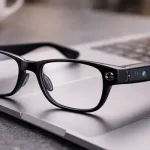
- Have smart glasses
- Like their current style
- Want upgraded lens technology
Instead of replacing the whole pair, they simply upgrade the lenses.
What Affects the Price
- Lens type. Single vision is usually the most affordable, while progressives cost more because they are more complex to make.
- Lens material. Thinner, lighter high-index materials cost more than standard plastic.
- Coatings. Anti-reflective, scratch resistance, and blue light filtering each add to the total.
- Tints and light-adjusting options. These are usually priced as add-ons.
- Prescription strength. Stronger prescriptions may need thinner materials to look and feel right.
How to Compare Prices Fairly
A low price is only a good deal if it includes what you actually need. Compare the lens material, the coatings, and any extras side by side, not just the headline number. Our post on whether expensive lenses are really worth it explains which upgrades tend to matter and which you can skip.
Replacing Lenses vs. Buying New Glasses
When you buy a whole new pair, a large part of the price goes to the frames. If your current frames are sturdy and you like them, putting that money toward better lenses is often the smarter move. See why replacing lenses beats buying new glasses for a closer look, and how online lens replacement works for the steps. You can also start on our lens replacement page.
Ways to Keep the Cost Down
- Choose coatings that match how you actually use your glasses.
- Skip add-ons you will not notice, such as tints you do not need.
- Keep your frames in good shape so you can reuse them again.
- Replace lenses when they need it, so worn lenses do not force an early full replacement.
Can You Use Insurance or an FSA?
Prescription lenses are commonly an eligible expense for FSA and HSA accounts, but plans differ, so check with yours before you buy. Keep your receipt either way.
Frequently Asked Questions
Is replacing lenses cheaper than buying new glasses?
Often, yes, because you keep your existing frames and pay only for new lenses.
Why do progressive lenses cost more than single vision?
They are more complex to design and make, and they need more precise measurements.
Are lens upgrades worth paying for?
Some are, depending on your prescription and daily habits. Anti-reflective coating and thinner materials are the most common ones people value.
Conclusion
If you already own a good pair of frames, replacing the lenses is often the most economical choice. It provides clear vision, modern lens technology, and keeps your favorite frames in use.