If you’ve ever looked at your eyeglass prescription and thought, “what does any of this mean?”—you’re not alone. Prescriptions are filled with abbreviations, numbers, and symbols that aren’t exactly user-friendly. But once you understand the basics, it becomes much easier to make smart decisions about your lenses. What Is an Eyeglass Prescription? An eyeglass prescription …
If you’ve ever looked at your eyeglass prescription and thought, “what does any of this mean?”—you’re not alone.
Prescriptions are filled with abbreviations, numbers, and symbols that aren’t exactly user-friendly. But once you understand the basics, it becomes much easier to make smart decisions about your lenses.
What Is an Eyeglass Prescription?
An eyeglass prescription is a set of measurements that tells optical labs how to correct your vision.
It’s customized specifically for your eyes and determines how your lenses are made.
The Most Common Terms Explained
Let’s break down what you’ll typically see on your prescription.
SPH (Sphere)
This number indicates how strong your lens needs to be.
- A negative (-) number = nearsighted (you struggle to see far away)
- A positive (+) number = farsighted (you struggle to see up close)
The higher the number, the stronger the correction.
CYL (Cylinder)
This measures astigmatism, which is when your eye isn’t perfectly round.
If this section is blank, you likely don’t have astigmatism.
AXIS
The axis works with CYL and shows the direction of the astigmatism.
It’s measured from 0 to 180 degrees.
ADD (Addition)
This is used for people who need help seeing up close, usually in progressive or bifocal lenses.
You’ll typically see this if you’re over 40 or use reading glasses.
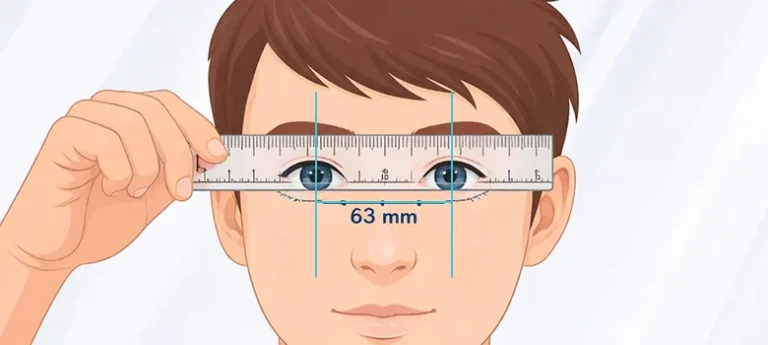
PD (Pupillary Distance)
This measures the distance between your pupils.
It’s critical because it ensures your lenses are centered correctly for your eyes.
If this is off—even slightly—your vision can feel uncomfortable.
Why Your Prescription Matters More Than You Think
Your prescription isn’t just numbers—it directly affects:
- How clear your vision is
- How comfortable your eyes feel
- How accurate your lenses are
Even small errors can lead to:
- Eye strain
- Headaches
- Blurry vision
What Most People Get Wrong
A lot of people assume:
👉 “As long as I have the numbers, I’m good”
But that’s only part of the picture.
Lens quality, coating, and how the lenses are made all play a huge role in how your glasses actually feel.
What to Do With Your Prescription
Once you understand your prescription, you can:
- Order new lenses with confidence
- Upgrade your current glasses
- Avoid overpaying for unnecessary extras
👉 If you already have frames you like, you don’t need to start over.
You can simply replace the lenses.
How Lens Replacement Fits In
Understanding your prescription is step one.
Step two is knowing what to do with it.
👉 Instead of buying new glasses every time your prescription changes, you can reuse your frames and upgrade your lenses.
If you want to see how that works:
How Online Lens Replacement Works (Step-by-Step)
Conclusion
Your eyeglass prescription might look complicated—but it doesn’t have to be.
Once you understand the basics, you’re in control:
- of your vision
- your comfort
- and your spending
And that’s where better decisions start.