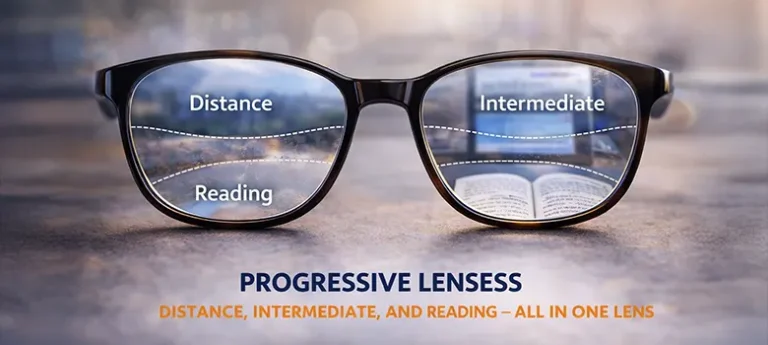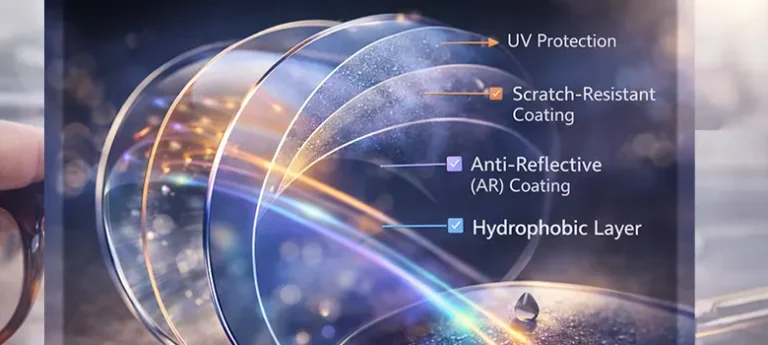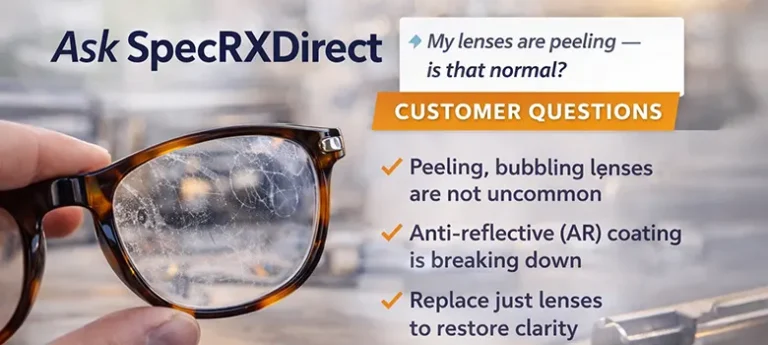
If your vision feels off, your first instinct is usually:“I need new glasses.” But in many cases, you don’t need new glasses.You need new lenses. There’s a big difference - financially, practically, and long-term. Let’s break this down clearly. The Real Question: What Is Actually Worn Out? Glasses are two separate components: Frames are structural. …

If your vision feels off, your first instinct is usually:
“I need new glasses.”
But in many cases, you don’t need new glasses.
You need new lenses.
There’s a big difference – financially, practically, and long-term.
Let’s break this down clearly.
The Real Question: What Is Actually Worn Out?
Glasses are two separate components:
- Frames – built to last years
- Lenses – designed to take daily abuse
Frames are structural. Lenses are functional.
And lenses wear out much faster.
Most people replace the whole pair simply because that’s how traditional optical shops structure their sales model.
But that doesn’t always make sense.
The Cost Comparison: Full Replacement vs Lens Replacement
Let’s look at real-world pricing.
Typical Optical Retail Store Pricing
At many national retailers:
- Frames: $150-$300
- Single vision lenses: $100-$200
- Anti-reflective coating: $80-$150
- Scratch resistance: Often bundled or extra
- Blue light filter: $40-$80
Total: $300-$600+
And that’s not luxury pricing = that’s normal mid-tier optical.
Some premium brands easily exceed $700-$900.
Online Eyewear Retailers
Large online companies (for example, Warby Parker, LensCrafters online, etc.) typically price:
- Complete pair: $95-$295+
- Add-ons and higher prescriptions increase cost
- Specialty lenses (progressive, high index) increase pricing significantly
Still cheaper than many brick-and-mortar stores – but you are buying an entirely new pair.
Lens Replacement
When your frames are still in good shape, replacing lenses typically costs significantly less than replacing the entire pair.
Instead of paying for:
- New frame manufacturing
- Branding markup
- Frame inventory cost
- Retail overhead
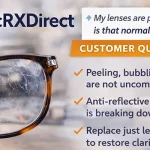
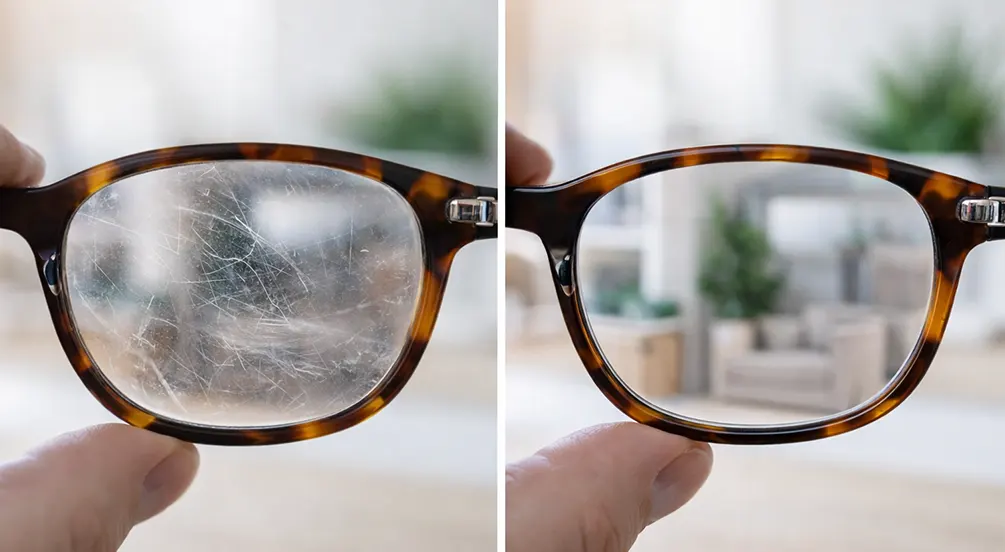
What Happens When Coatings Break Down
Even small scratches and coating wear scatter light and reduce contrast. That’s why lenses can feel permanently “dirty.”
New lenses restore optical precision – not just surface appearance.
You pay for what you actually need: new lenses.
That difference can easily mean saving hundreds of dollars.
Replacing lenses is easier and more cost-effective than buying new glasses. Click here to get started with your lens replacement
Example Scenario
Let’s say:
- You bought designer frames two years ago for $280
- They still fit perfectly
- They are structurally sound
- Your lenses are scratched and glare-heavy
Buying a new similar-quality pair could run $350-$500 again.
Replacing just the lenses? Often substantially less.
That’s real money saved – without compromising quality.
The Environmental Angle (People Rarely Think About This)
Every time you buy new glasses:
- A new frame is manufactured
- Packaging is produced
- Shipping materials are used
- Inventory cycles repeat
If your frame is still in excellent condition, replacing lenses reduces waste and extends product life.
It’s the smarter sustainability move – without sacrificing clarity.
Comfort Matters More Than Style Trends
Frames take time to break in.
You adjusted to:
- The nose fit
- The temple pressure
- The weight distribution
Replacing your entire pair means restarting that adjustment process.
Lens replacement allows you to:
- Keep the fit you love
- Avoid discomfort
- Maintain your daily routine
That’s practical value most people overlook.
When Replacing the Entire Pair DOES Make Sense
Let’s be honest – sometimes new glasses are justified.
You should consider a full replacement if:
- Frames are cracked or warped
- Hinges are loose beyond repair
- The frame shape no longer fits your face properly
- You want a completely new look
But if the only problem is scratched, cloudy, or outdated lenses – replacing lenses is usually the smarter move.
The Hidden Psychology of Optical Retail
Traditional optical stores are built around selling complete units.
The sales structure encourages:
- Frame browsing
- Brand upgrades
- Bundled packages
Lens replacement is rarely emphasized because it reduces the average transaction value.
But from a consumer standpoint, it often makes more financial sense.
Modern Lenses Are Better Than Older Ones
Another overlooked factor:
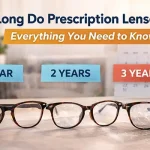
If your lenses are 2-3 years old, modern coatings today are typically:
- More durable
- More glare-resistant
- More scratch-resistant
- More optically refined
So lens replacement isn’t just restoring clarity – it can improve it beyond what you originally had.
Who Benefits Most From Lens Replacement?
- People with expensive designer frames
- People who love their current style
- People whose prescription changed slightly
- People frustrated with glare or haze
- People who want to save money
The Bottom Line
Replacing lenses beats buying new glasses when:
- Your frames are still solid
- You like how they look and fit
- The problem is clarity – not structure
It’s more economical.
It’s more practical.
It’s often more sustainable.
And most importantly – it restores the one thing that actually matters:
Clear vision.
Ready to replace your old lenses and restore clarity? Start Your Lens Replacement Order Here